
Your body relies on 50+ hormones to function at its best.
When they’re out of balance, it can lead to fatigue, brain fog, weight gain, and more life-altering symptoms.
Our board-certified providers are experts in diagnosing and treating hormone imbalances, helping you feel your best every day.
Hormones are the body’s chemical messengers, regulating growth, development, mood, metabolism, and overall function. Balanced hormones help your body function smoothly. An imbalance can create a wide range of physical and emotional symptoms.
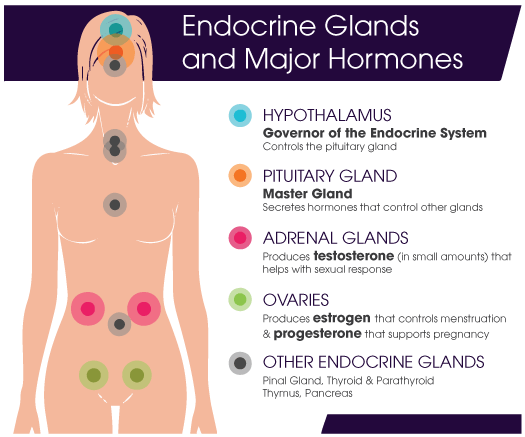
Estrogen plays a major role in your mood, metabolism, sexual health, and how your body feels day to day. As levels naturally decline in perimenopause and menopause, symptoms like hot flashes, sleep issues, mood changes, and vaginal dryness become more common.
Balanced Estrogen can:
Progesterone is often called the body’s calming hormone because it interacts with GABA receptors in the brain, the same receptors that help you relax and unwind. When progesterone declines, sleep, mood, and stress responses can all feel off balance.
Balanced Progesterone can:
Women naturally produce about 3x more testosterone than estrogen, yet it’s rarely talked about. This hormone is essential for energy, muscle strength, cognitive function, and a healthy sex drive. As levels decline, many women notice fatigue, brain fog, and lower libido.
Balanced Testosterone can:
Symptoms caused by hormone deficiencies can range from an annoyance to drastically life-altering. The longer a hormone deficiency goes untreated, the more severe symptoms can become.

No, that’s a common myth!
Your body naturally slows down hormone production with age. That’s what causes menopause symptoms in the first place.
As you move through perimenopause and menopause, your body makes less hormones on its own. HRT helps fill in that gap.
If you stop HRT, your hormone levels will return to the natural levels your body can make at that stage, not lower.
“You’re too old for hormone therapy.” FALSE. There is no age at which your brain, bones, heart and mood stop needing hormonal support.
While starting earlier in the hormone journey has advantages, women over 60 can absolutely begin or continue HRT safely with the right evaluation.
The real question is “am I a good candidate?” That’s where we look at your labs, symptoms, history and goals to build a plan that’s personalized and safe for YOU.
No, not when done correctly. The 2002 WHI study linked synthetic progestins to a slightly increased breast cancer risk — but bioidentical progesterone has actually been shown to be breast-protective.
Estrogen deprivation carries its own serious risks that nobody talks about, including cardiovascular disease, the #1 killer of women in the US.
Blanket fear of all hormone therapy is not evidence. It’s a 20-year-old study that’s been debunked.
Two big reasons. Doctors receive an average of ONE hour of menopause training in medical school. One hour to understand one of the most complex and consequential transitions in a woman’s life.
And the 2002 WHI study created a liability fear that never went away, even after the research was retracted, reanalyzed and debunked more than a decade ago.
It comes down to a lack of education and a medical system that was never built to support women in midlife.
Earlier than you think. Hormones can start shifting in your 30s and perimenopause can begin as early as 35.
Research supports the 10 years following menopause as the optimal window for hormone therapy, when protective benefits for your brain, bones and heart are greatest.
Don’t wait until you’re exhausted and desperate. When something feels off, that’s your cue.
During your initial blood draw for hormone therapy, we run a comprehensive hormone panel that typically includes: Estrogen, Testosterone, Progesterone, Thyroid function, and other basic health markers.
Depending on your symptoms and health history, we may also include additional labs to get a more complete picture of your hormone health.
Our goal is to create a treatment plan that’s truly personalized to you.
It’s a common misconception that certain medical histories automatically disqualify you from hormone therapy (HRT).
While a history of HR/PR+ breast cancer will influence our clinical approach—including the specific type, dosage, and monitoring frequency—it does not necessarily rule out HRT entirely.
At Trillion Health, we categorize candidacy based on specific safety windows. Currently, the only absolute contraindications for starting HRT are:
Because every woman’s journey is unique, a personalized assessment with a specialized provider is essential to safely exploring your options.
We believe every woman deserves informed, individualized care.
It depends on the therapy, but most women start noticing changes within the first few weeks. Some improvements come early. Others take a couple of months to fully kick in.
Here’s a general idea of what to expect:
Every body is different, and it takes time to find the right fit. That’s why we monitor your progress and adjust your prescription along the way. We stay with you until you feel like yourself again — because that’s exactly the kind of care you deserve.
There’s no strict time limit — especially when HRT is improving your quality of life and you’re being regularly monitored by an expert provider. At Trillion Health & Hormone, our providers specialize in hormone therapy. That means they know what to look for, when to adjust, and how to keep your treatment working for you long-term.
The decision to continue or adjust your therapy is always personalized and revisited over time to ensure it remains safe and effective for you.